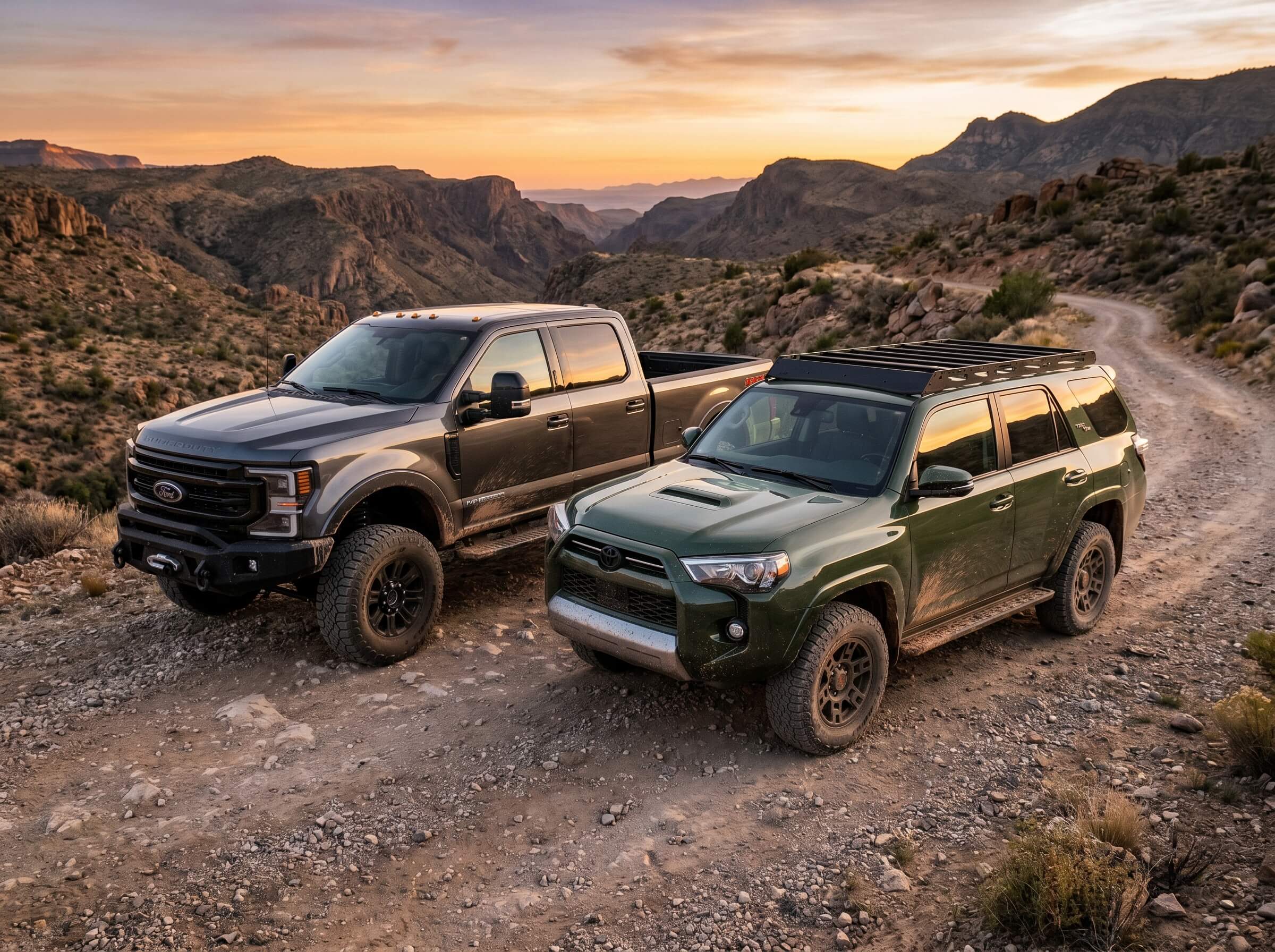
Trucks and SUVs are built for work, adventure, and everything in between. Whether you drive a Ford F-150, a RAM 1500, a Chevy Silverado, or a Toyota 4Runner, your vehicle faces punishment that most sedans never will — mud, gravel, highway debris, UV radiation, and road salt. That kind of daily exposure takes a real toll on your paint.
Ceramic coating is one of the most effective ways to protect your investment. But not all coatings are created equal, and truck and SUV owners have specific needs that go beyond what a basic car wax can offer. This guide covers everything you need to know before choosing a ceramic coating for your truck or SUV.
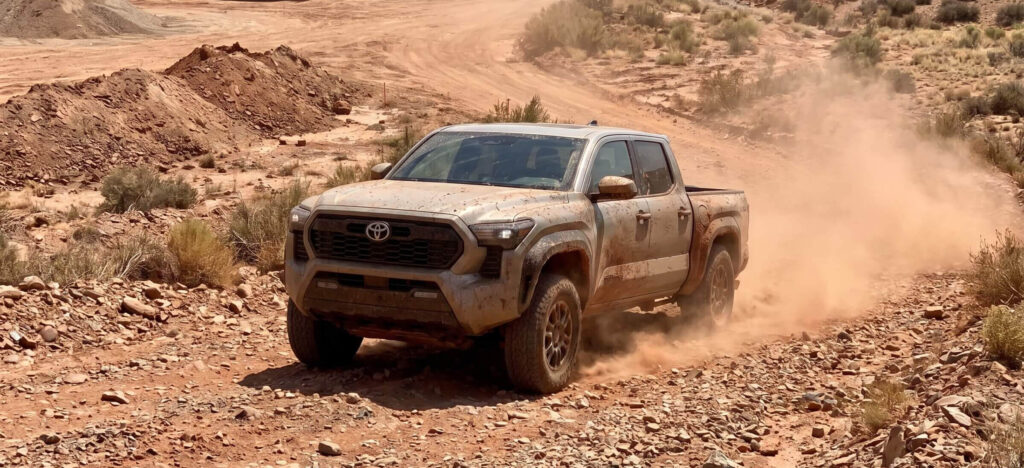
Why Trucks and SUVs Need Stronger Paint Protection
Standard passenger cars spend most of their lives on smooth city roads. Trucks and SUVs operate in a completely different environment. Off-road trips, construction sites, highway towing, and long-haul driving expose your paint to:
- Rock chips and road debris flying up from the road at high speed
- UV radiation fading your clear coat, especially on large flat hood and roof surfaces
- Road salt in snow-belt states corroding paint from the edges
- Mud, bugs, and tar embedding into unprotected paint after every trip
- Constant washing cycles that slowly strip wax and sealant protection
A standard wax lasts a few weeks. A paint sealant might hold on for a few months. A professional-grade nano ceramic coating, on the other hand, bonds chemically to your paint surface and can last anywhere from two to five years — or longer — depending on the product and maintenance routine.
If you want to understand how long ceramic coating actually lasts and what affects its durability, the formulation and application quality matter more than any marketing claim.
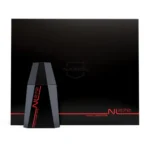
What to Look for in a Ceramic Coating for Trucks and SUVs Ceramic coatings are commonly rated by hardness on the pencil hardness scale. For trucks and SUVs exposed to rougher driving conditions, a coating rated at 9H or 10H provides a strong level of resistance against light scratches and swirl marks. Nasiol’s NL272 Premium Ceramic Coating offers a 10H hardness rating, representing a high-performance level within the commonly used pencil hardness scale for automotive ceramic coatings.
1. Hardness Rating
Ceramic coatings are commonly rated by hardness on the pencil hardness scale. For trucks and SUVs exposed to rougher driving conditions, a coating rated at 9H or 10H provides a strong level of resistance against light scratches and swirl marks. Nasiol’s NL272 Premium Ceramic Coating offers a 10H hardness rating, representing a high-performance level within the commonly used pencil hardness scale for automotive ceramic coatings.
2. Hydrophobic Performance
A strong hydrophobic effect means water, mud, and road grime bead up and slide off your panels rather than soaking in. For truck owners, this dramatically reduces the effort required to clean the vehicle after off-road trips. It also means road salt and brake dust have far less opportunity to bond to your paint.
3. UV and Heat Resistance
Large hood and roof panels on trucks and SUVs receive significantly more direct sun exposure than smaller vehicles. A ceramic coating with strong UV-blocking properties prevents clear coat oxidation and color fade — particularly important in high-sun states like Texas, Arizona, and Florida.
4. Chemical Resistance
Bird droppings, tree sap, and acidic rain are among the most damaging contaminants for automotive paint. Ceramic coatings create a chemically resistant barrier that prevents these substances from etching into your clear coat. For trucks frequently parked outdoors or near trees, this protection is essential.
5. Compatibility with PPF
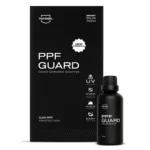
Many truck owners also use paint protection film (PPF) on high-impact areas like the front bumper, hood leading edge, and side mirrors. If you run both, make sure your ceramic coating is formulated to work over PPF. Nasiol’s PPFGuard is specifically designed for this combination, adding a hydrophobic and UV-resistant layer over the top of your film.
DIY vs. Professional Application for Trucks
One of the most common questions truck owners ask is whether to apply ceramic coating themselves or take the vehicle to a professional detailer.
DIY ceramic coating makes sense if:
- You have access to a clean, dust-free space (a garage is ideal)
- You’re comfortable with paint prep including clay bar treatment and decontamination
- You have time to allow proper curing (typically 24–48 hours)
Professional application is worth considering if:
- Your truck has existing paint defects that need correction first
- You want a warranty-backed result
- You’re coating a brand-new vehicle and want a flawless finish from day one
For a detailed walkthrough of the preparation process, see our guide on how to prep your car before applying ceramic coating. The prep stage is where most DIY ceramic coating jobs succeed or fail — it’s not a step to rush.
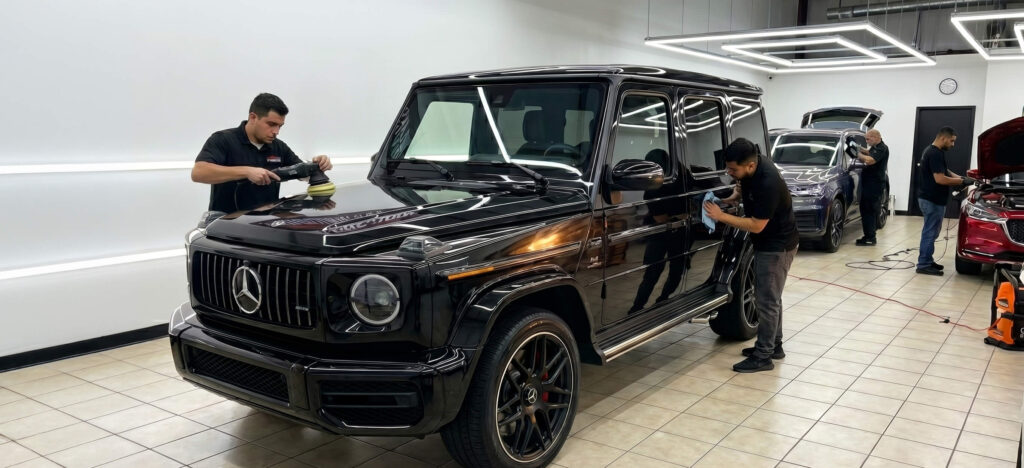
How to Maintain Ceramic Coating on a Truck or SUV
Ceramic coating is not a set-it-and-forget-it solution. To get the most out of your investment, a simple maintenance routine goes a long way.
- Wash regularly using a pH-neutral shampoo — avoid automatic car washes with brushes, which can introduce swirl marks
- Use a ceramic spray booster every few months to refresh the hydrophobic layer
- Avoid harsh chemicals when cleaning, especially alkaline degreasers on coated surfaces
- Dry carefully with a clean microfiber towel to prevent water spot buildup
Following a weekly, monthly, and yearly ceramic coating maintenance checklist will extend the life of your coating significantly and keep your truck looking its best through every season.
The Bottom Line
Trucks and SUVs are among the most significant vehicle investments American drivers make. Protecting that investment with a high-quality ceramic coating isn’t just about looks — it’s about preserving resale value, reducing cleaning time, and giving your paint a fighting chance against real-world conditions.
Whether you’re hauling on weekdays and off-roading on weekends, or simply want your daily driver to look sharp year after year, a nano ceramic coating is the most durable, cost-effective paint protection available today.
Ready to protect your truck? Explore Nasiol’s full range of ceramic coating products and find the right solution for your vehicle and lifestyle.
FAQ – People Also Ask
Can you ceramic coat a truck yourself?
Yes. With proper surface preparation and a clean environment, DIY ceramic coating is achievable for most truck owners. The key is thorough decontamination before application.
How long does ceramic coating last on a truck?
Depending on the product and maintenance, a high-quality ceramic coating can last 2–5 years on a truck. Hardness rating and UV resistance are the biggest factors in longevity.
Is ceramic coating worth it for a pickup truck?
Absolutely. Trucks face more harsh conditions than average vehicles. Ceramic coating provides scratch resistance, UV protection, and hydrophobic performance that wax and sealants simply cannot match over time.
Does ceramic coating protect against rock chips?
Ceramic coating reduces the visibility and extent of minor surface abrasions but is not a substitute for paint protection film on high-impact zones. For maximum protection, combining PPF with ceramic coating is the gold standard.